

Bunge becomes 1st crushing company to certify soybeans with low land-use change impact for SAF production
Bunge Brasil announced in December that it has become the first company to certify soybeans for use in the production of sustainable aviation fuel (SAF) under the international ISCC CORSIA Plus protocol
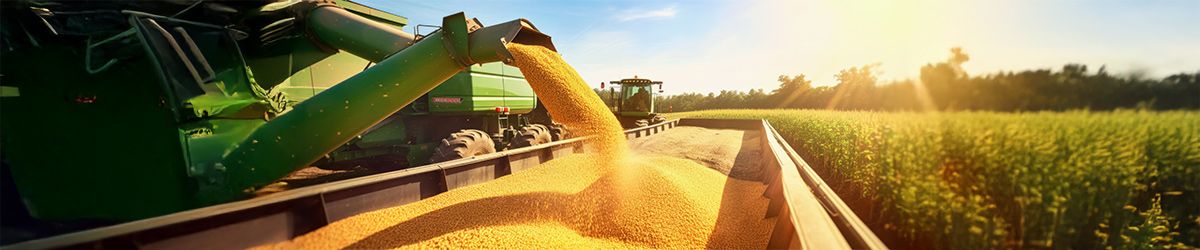
Bunge Brasil announced in December that it has become the first company to certify soybeans for use in the production of sustainable aviation fuel (SAF) under the international ISCC CORSIA Plus protocol, recognized by the International Civil Aviation Organization.
The certification was granted to the company’s unit in Rondonópolis in Mato Grosso by SCS Global Services and also includes the ISCC CORSIA Plus Low-LUC (land-use change) label, which attests to the low risk of indirect land-use change.
This achievement is considered a milestone for the biofuels sector, according to Bunge, adding to previous low-LUC certifications for other biofuel raw materials.
The certification involves rigorous sustainability standards that certified Brazilian soybeans must meet based on traceability and other agricultural practices.
It also reinforces Bunge’s role as a leader in integration and innovation in the development of low-carbon renewable energy markets.
“This certification demonstrates that it is possible to produce soybeans sustainably and with low emissions, meeting the most demanding international criteria,” said Pamela Moreira, Bunge’s director of sustainability for South America. “The vast productive potential and advanced agricultural techniques adopted by Brazil represent significant potential to contribute to the energy transition. This achievement reinforces that sustainably grown soybeans can be part of the solution for the advancement of SAF.”
The ISCC CORSIA Plus certification is part of the Carbon Offsetting and Reduction Scheme for International Aviation program created to encourage the use of renewable fuels in global air transport.
The low-LUC recognition ensures that certified soybeans, through improved management and productivity practices, present a low risk of indirect land-use change, meaning they are not associated with new agricultural expansion.
“In addition to detailed technical criteria and rigorous audits, the producer’s management practices play a fundamental role in this certification,” Moreira said. “This reinforces our journey of having an active role in our supply chain, engaging and supporting our producers in this transition, but also connecting with new opportunities. We are aware of the challenges in scaling this certification, and therefore, its result is of great importance to the sector, reinforcing the credibility of Brazilian agricultural production. Although this initial certification applies to our Rondonópolis unit, it represents a fundamental step in expanding the availability of soybean raw material for the growing SAF market.”
About SCS Global Services
SCS Global Services is an international leader in third-party environmental and sustainability verification, certification, auditing, testing, and standards development. Its programs span a cross-section of industries, recognizing achievements in climate mitigation, green building, product manufacturing, food and agriculture, forestry, consumer products, and more. Headquartered in San Francisco, California and celebrating over 40 years in business, SCS Global Services has representatives and affiliate offices throughout the Americas, Asia/Pacific, Europe, and Africa. Its broad network of auditors are experts in their fields, and the company is a trusted partner to companies, agencies, and advocacy organizations due to its dedication to quality and professionalism. SCS Global Services is a chartered Benefit Corporation, reflecting its commitment to socially and environmentally responsible business practices. SCS Global Services is also a Participant of the United Nations Global Compact and adheres to its principles-based approach to responsible business. For more information, visit www.SCSGlobalServices.com.